
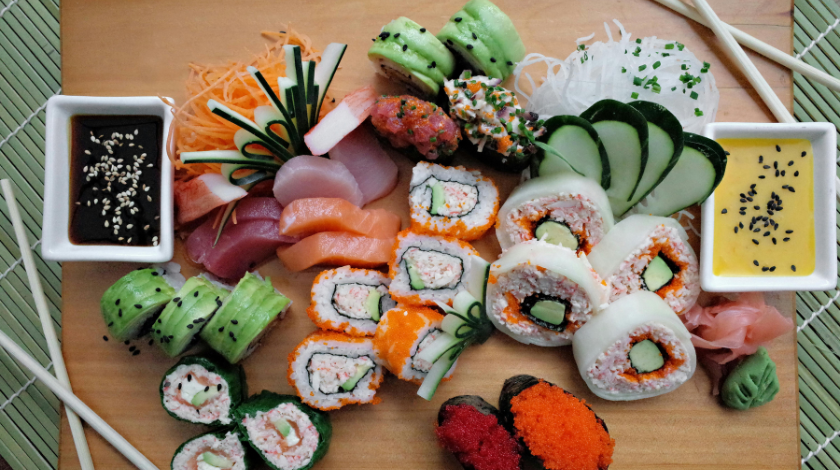
There is something almost magical about sitting down to enjoy perfectly crafted sushi while watching the sun dip below the horizon, painting the ocean in shades of orange and pink. I still remember my first experience at a true ocean-themed sushi restaurant. It was a small place tucked along the California coast, barely visible from the highway, with weathered wooden beams that looked salvaged from an old fishing boat. The chef, a man in his sixties who had spent his entire life working with seafood, greeted me not with words but with a slight bow and a plate of tuna nigiri that literally melted on my tongue. That evening changed how I thought about sushi forever. It was not just about the food. It was about the connection between the ocean, the ingredients, and the person preparing them.
This is what we call the sushi ocean experience. It represents a growing movement in Japanese cuisine where restaurants embrace their coastal locations or create ocean-inspired atmospheres that honor the source of their ingredients. These establishments understand something fundamental about sushi that often gets lost in landlocked cities and shopping mall food courts. Sushi is, at its heart, a celebration of the sea. When you strip away the fancy presentation and the trendy fusion combinations, you are left with a simple truth. Great sushi requires great fish, and great fish comes from healthy oceans.
What is Sushi Ocean? Understanding the Concept
The term sushi ocean refers to restaurants and dining experiences that combine authentic Japanese sushi preparation with ocean-themed environments, sustainable coastal sourcing, or actual seaside locations. This concept has been gaining serious momentum over the past few years as diners become more conscious about where their food comes from and increasingly seek experiences rather than just meals. According to recent industry trends, over 60% of consumers now consider sustainability a primary factor when choosing where to eat, and this shift has pushed many sushi establishments to rethink their relationship with the ocean.
But Sushi Ocean is not just about being near the water. I have been to plenty of beachfront restaurants that served mediocre sushi in plastic containers with no soul whatsoever. True ocean-themed sushi dining requires intentionality. It requires a deep respect for marine ecosystems and an understanding that the health of the ocean directly impacts the quality of the food being served. These restaurants often feature open kitchens where you can watch chefs work with fish that were swimming just hours earlier. The decor typically incorporates natural materials like driftwood, sea glass, and stone that echo the coastal environment. Even the lighting is carefully considered, with many establishments using soft blue tones or fixtures that mimic sunlight filtering through water.
The concept also extends to how the food is presented. At a genuine sushi ocean restaurant, you might find rolls arranged to look like waves crashing on a shore, or sashimi plates garnished with edible seaweed that was harvested locally. Some chefs go so far as to name their creations after ocean phenomena, such as Tide Pool Roll or Deep Current Nigiri, creating a narrative that connects each bite to marine life. This attention to thematic detail transforms dining from simple consumption into an immersive experience that engages all your senses.
The Culinary Philosophy: From Tide to Table
The heart of any sushi ocean concept lies in its sourcing philosophy. Traditional sushi culture has always emphasized freshness above everything else. There is a reason why top sushi chefs in Japan visit the fish market at dawn to select their ingredients personally. They understand that the moment a fish leaves the water, a clock starts ticking. The texture changes, the flavor profile shifts, and what was once a vibrant ingredient begins its slow decline. Coastal sushi restaurants that embrace the ocean theme take this principle to its logical extreme by establishing direct relationships with local fishermen and docks.
I once spoke with a chef in Oregon who explained his process to me in detail. Every morning at four, he receives a text message from a fisherman named Mike who operates a small boat about twenty miles up the coast. The message contains a simple list of what was caught that day, usually three or four varieties of fish, depending on the season and what the ocean provided. By six in the morning, the chef is at the dock inspecting the catch himself. He looks into the fish’s eyes to check for clarity, feels the flesh’s firmness, and smells the ocean on its skin. If something does not meet his standards, he sends it back. This level of personal involvement means his menu changes daily based on what the ocean offers, and that is exactly how he wants it.
This approach aligns perfectly with the growing sustainable seafood movement that is reshaping the industry. Modern sushi restaurants in the ocean are increasingly committed to responsible sourcing practices that protect marine populations for future generations. They avoid overfished species like bluefin tuna and instead highlight alternatives that are abundant and local. Many participate in programs that track fish from boat to plate, giving diners confidence that their meal was harvested ethically. Some establishments have even adopted zero-waste policies, using every part of the fish from head to tail in various preparations. The collar might be grilled as a special appetizer, the bones simmered for dashi, and the skin crisped into chips to accompany drinks.
The seasonal nature of this sourcing also means that repeat visitors experience an evolving menu. What you eat in June will be different from what is available in December, reflecting the natural cycles of marine life. Spring might bring delicate halibut and spot prawns; summer offers albacore tuna and sea urchin; fall introduces rich salmon and dungeness crab; while winter showcases oysters and black cod. This rhythm keeps the dining experience fresh and educational, encouraging guests to try species they might never have encountered otherwise.
Creating the Ocean Ambiance: Design and Atmosphere
Walking into a well-executed sushi ocean restaurant should feel like entering a different world. The best establishments understand that atmosphere is not just decoration. It is an essential ingredient that prepares your mind and palate for what is to come. I have noticed that successful ocean-themed sushi bars share certain design elements that work together to create a sense of immersion without becoming gimmicky or overdone.
Natural materials dominate the space. Reclaimed wood from old piers or fishing vessels provides warmth and authenticity that manufactured materials cannot replicate. Stone accents, particularly in shades of gray and blue, ground the space and reference rocky coastlines. Water features, even simple ones like small fountains or aquariums with local species, add movement and sound that subconsciously connect diners to marine environments. The color palette tends toward oceanic tones, deep blues, seafoam greens, sandy beiges, and coral accents that feel organic rather than forced.
Lighting deserves special attention because it fundamentally affects how we perceive food. Harsh fluorescent lights would ruin the ambiance of any sushi restaurant, but ocean-themed establishments take this a step further by using lighting that mimics underwater conditions. Soft, diffused illumination from pendant fixtures that resemble jellyfish or coral formations creates gentle shadows and highlights. Some restaurants use programmable LED systems that slowly shift color temperature throughout the evening, starting with brighter daylight tones during lunch service and transitioning to deeper twilight blues as dinner progresses. This subtle change mirrors the natural progression of a day at sea and subconsciously signals to diners that they are settling in for a leisurely experience.
Sound design is another often-overlooked element. The gentle background noise of recorded ocean waves, mixed at levels that do not overwhelm conversation, creates a soothing backdrop that lowers stress levels and enhances appetite. Some establishments incorporate traditional Japanese instruments like shamisen or koto, played at a whisper, bridging the gap between coastal atmosphere and cultural authenticity. The combination of these sensory elements means that by the time your first dish arrives, you are already in a receptive state of mind, open to the experience and anticipating pleasure.
Signature Dishes: Ocean-Inspired Menu Highlights
The food at a sushi ocean restaurant must deliver on the promises made by the atmosphere. Fortunately, chefs who dedicate themselves to this concept tend to be passionate about creativity and quality. While each establishment develops its own specialties based on local availability and chef background, certain approaches are common across the best ocean-themed sushi bars.
Presentation often incorporates visual references to marine life. I have seen nigiri plates arranged on beds of crushed ice, shaped like waves, with fish positioned as if swimming upstream. Rolls might be topped with thinly sliced vegetables in patterns that suggest fish scales or ocean currents. Edible flowers in blues and purples evoke sea anemones and coral reefs. These touches do not just look beautiful; they are beautiful. They demonstrate the chef’s attention to detail and commitment to the theme.
The ingredients themselves tell the ocean story. Instead of relying solely on imported tuna and salmon, these restaurants showcase local catches that reflect their specific coastal environment. In the Pacific Northwest, you might find geoduck clam and Oregon pink shrimp featured prominently. Gulf Coast establishments highlight red snapper and grouper. New England sushi spots on the ocean celebrate local lobster and Atlantic mackerel. This regional focus not only supports local fishing communities but also introduces diners to flavors they cannot find elsewhere.
Fusion elements appear thoughtfully, respecting tradition while embracing creativity. A sushi ocean restaurant might offer a roll that combines local Dungeness crab with avocado and a light yuzu mayonnaise, topped with flying fish roe that pops like bubbles on your tongue. Another might feature abalone, a delicacy that requires specific coastal conditions, simply brushed with soy sauce and squeezed with fresh lemon to highlight its natural sweetness. These dishes work because they start with excellent ingredients and apply Japanese techniques without overwhelming the essential flavors of the sea.
The Complete Experience: Beyond Just Dining
What separates a memorable sushi ocean visit from a forgettable meal is often the additional experiences offered beyond standard service. The best establishments understand that people are seeking connection and education, not just sustenance.
Omakase service, where diners entrust the chef to select and prepare a series of dishes, finds its perfect expression in ocean-themed restaurants. When you choose omakase at a coastal sushi bar, you are essentially asking the chef to interpret the ocean for you that day. The meal becomes a narrative of what is fresh, what is in season, and what the chef finds most exciting. I have had omakase experiences that lasted three hours, with each course explained in terms of where the fish was caught, how it was stored, and why the chef chose specific preparation methods. By the end, you feel like you have been on a journey rather than just eating dinner.
Many sushi restaurants by the ocean also offer educational components that deepen appreciation for the cuisine. Sushi-making classes with ocean views have become increasingly popular, teaching participants how to properly season rice, slice fish, and assemble rolls while explaining the cultural significance of each step. Some establishments host special events like full-moon dinners, where the menu is designed around nocturnal fishing traditions, or tide-pool-inspired tastings that pair various seafood with sake selections. These experiences create memories that last far longer than the meal itself.
The social media appeal of well-designed ocean sushi restaurants cannot be ignored, and smart establishments lean into this without sacrificing authenticity. Beautiful plating, dramatic ocean backdrops, and unique architectural features provide natural opportunities for photography that guests want to share. However, the best restaurants ensure that the food tastes as good as it looks, understanding that viral moments only build lasting business when backed by genuine quality.
Finding Your Perfect Sushi Ocean Spot
With the growing popularity of ocean-themed dining, more restaurants are adopting coastal aesthetics without necessarily committing to the underlying philosophy. As someone who has visited dozens of these establishments across different coastlines, I have developed a few criteria for separating authentic experiences from marketing exercises.
First, look at the menu descriptions. Restaurants that truly care about their ocean connection will tell you where their fish comes from, often naming specific boats, docks, or fishing cooperatives. Vague terms like ‘fresh fish’ or ‘premium seafood’ suggest a lack of transparency. Second, check whether the menu changes regularly. A static menu at a coastal restaurant is a red flag that they are not adapting to seasonal availability. Third, observe the relationship between the chefs and the front-of-house staff. In genuine establishments, servers can answer detailed questions about preparation methods and ingredient sources because they are trained and passionate about the food.
When making reservations, ask about seating options that maximize the experience. Window tables with ocean views are obvious choices, but counter seating where you can interact with the chef often provides the most memorable experience. Request information about their sourcing practices if sustainability matters to you. Most authentic sushi restaurants by the ocean are proud of their relationships with fishermen and happy to share details.
Conclusion
The sushi ocean concept represents something important happening in modern dining. It reflects a desire to reconnect with the sources of our food, to understand the ecosystems that sustain us, and to find moments of beauty in an increasingly rushed world. When done well, these restaurants offer more than excellent sushi. They provide education, environmental awareness, and a genuine human connection between fishermen, chefs, and diners.
My own journey with ocean-themed sushi began that evening in California, but it has continued across coastlines and continents. Each visit teaches me something new about marine life, Japanese culture, or the creative possibilities that emerge when talented people work with exceptional ingredients. Whether you live near the coast or are planning a vacation that includes beach time, seeking out an authentic sushi ocean experience will reward you with flavors and memories that last long after the meal ends. The ocean has always been humanity’s source of sustenance. These restaurants remind us that when we treat it with respect, it continues to provide abundance worth celebrating.
FAQ Section
What exactly makes a sushi restaurant qualify as “sushi ocean”?
A genuine sushi ocean establishment combines authentic Japanese sushi preparation with either a physical coastal location or an immersive ocean-themed atmosphere. The key differentiator is intentionality. These restaurants prioritize sustainable seafood sourcing, maintain relationships with local fishermen, and create dining environments that honor marine ecosystems through design, materials, and presentation. Simply having fish on the menu or hanging a net on the wall does not qualify. The concept must permeate the sourcing philosophy, preparation methods, and overall experience.
How can I tell if a sushi ocean restaurant actually uses sustainable seafood?
Look for specific information rather than vague claims. Responsible establishments will name their fishing partners, specify which species are seasonal versus imported, and explain their approach to avoiding overfished populations. Many participate in certification programs or maintain transparency about their supply chain. Do not hesitate to ask your server direct questions about where the fish was caught and when it was caught. Restaurants committed to sustainability welcome these inquiries and train staff to answer knowledgeably.
Are sushi ocean restaurants more expensive than regular sushi bars?
Generally, yes, though the difference varies by location and specific establishment. The premium reflects several factors, including higher costs for locally sourced, sustainable seafood, the expertise required to work with seasonal ingredients that change daily, and the investment in atmospheric elements that create immersion. However, many diners find the experience worth the additional cost because of the superior freshness, educational components, and memorable environment. Some restaurants offer lunch specials or early evening menus that provide accessible entry points.
Can I find sushi ocean experiences if I do not live near the coast?
Absolutely. While coastal locations have natural advantages, many inland restaurants have created convincing ocean-themed environments and established supply chains that bring fresh seafood from coasts within hours. The key is finding establishments that maintain the philosophy of ocean respect and sustainable sourcing regardless of geography. Look for restaurants that work with reputable seafood distributors specializing in rapid transport of fresh catch, and that create atmosphere through thoughtful design rather than relying solely on actual ocean views.
What should I order for my first visit to a sushi ocean restaurant?
Start with whatever the chef recommends as freshest that day, usually indicated on special boards or through server suggestions. Omakase, or chef’s choice, is an excellent option for first-timers because it showcases the restaurant’s strengths and current inventory. If ordering à la carte, balance familiar items like salmon or tuna with one or two local specialties you have not tried before. Ask about the catch of the day preparations, and do not overlook non-sushi items like grilled fish collars or seafood soups that showcase the kitchen’s range.
Read Also: Jacky’s Burrito Express Is the Best Local Spot for Authentic Mexican Food