
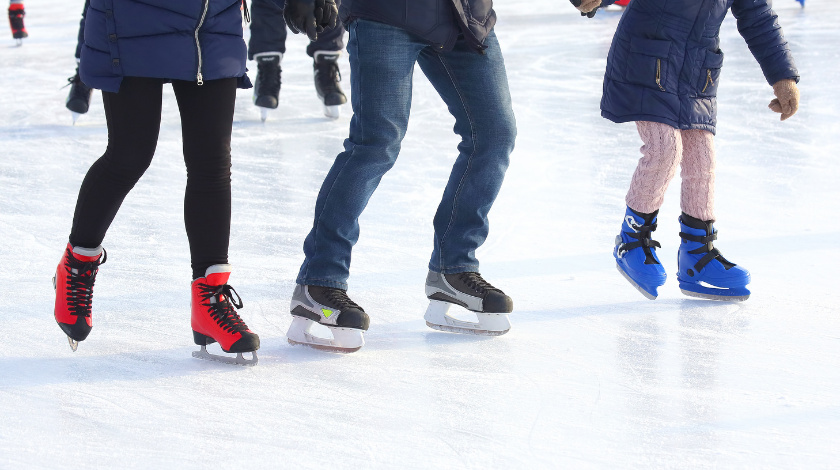
I still remember the first time I laced up a pair of rental skates. I was twelve years old, walking into a local roller rink that smelled like popcorn and floor wax, with disco balls spinning overhead and the sound of wheels thundering against hardwood. My knees were shaking, my hands were sweating, and I spent the first twenty minutes hugging the wall for dear life. But then something clicked. I pushed off, found my balance, and suddenly I was gliding across that floor with the wind in my hair and a grin I couldn’t wipe off my face. That was twenty years ago, but that feeling of pure joy is exactly why skate rinks continue to capture hearts around the world.
Fast forward to 2026, and the skate rink industry is experiencing something remarkable. According to recent market research, the global roller skating market alone is projected to reach $9.31 billion by 2035, growing at a steady 6.2% annually. Ice rinks are seeing similar momentum, with the market expected to hit $12.37 billion by 2030. These aren’t just numbers on a spreadsheet. They represent millions of people discovering what I learned that first day: skate rinks offer something special that no other entertainment venue can quite match.
What Exactly Is a Skate Rink?
At its core, a skate rink is a purpose-built facility for skating. But that simple definition barely scratches the surface of what these venues actually represent. A skate rink is a community hub, a fitness center, a party destination, and for many people, a second home where they found their confidence, their friend group, or even their passion.
There are two main categories of skate rinks, and understanding the difference matters because they serve completely different experiences. First, you have roller rinks, which feature hard surfaces traditionally made of hardwood maple flooring or modern coated concrete. These venues use quad skates (the classic four-wheel setup) or inline skates (with wheels arranged in a single row). The second category is ice rinks, which maintain frozen water surfaces using complex refrigeration systems, where visitors strap on ice skates to glide across the ice.
Each type creates a distinct atmosphere. Roller rinks tend to feel more casual, often featuring colorful lighting, music pumping through powerful sound systems, and that distinctive rhythmic thunder of wheels on wood. Ice rinks carry a different energy, crisp and cool, with the scrape of blades and the hush of gliding movements. Both environments foster community, but they attract slightly different crowds and serve different purposes in the recreational ecosystem.
The Two Worlds: Roller Rinks vs Ice Rinks
Let me break down the real differences between these two types of facilities because choosing between them depends entirely on what kind of experience you’re seeking.
Roller rinks have undergone a fascinating evolution. When most people picture a roller rink, they imagine the retro disco era of the 1970s and 1980s, complete with mirror balls and funk music. While that nostalgic aesthetic has certainly made a comeback, modern roller rinks are far more diverse. Today’s facilities often feature state-of-the-art sound systems with $5,000 to $15,000 invested in audio equipment alone, specialized lighting including lasers and strobes, and even arcade sections and concession stands that generate significant revenue
. The flooring itself represents a major investment, ranging from $60,000 to $150,000 for proper installation, because the surface quality directly impacts both safety and skating performance.
The roller skating community has also diversified dramatically. You’ve got your recreational skaters who come for weekend family fun, your fitness enthusiasts who treat skating as a serious cardio workout, your derby athletes who compete in the growing roller derby market that has expanded 18% since 2020, and your dance skaters who treat the rink like a dance floor on wheels. With over 12 million active participants worldwide, roller skating has proven it is far more than a passing trend.
Ice rinks, meanwhile, serve a different but equally passionate community. These facilities require substantially more infrastructure due to the refrigeration needs. A traditional ice rink can cost between $150,000 to over $1 million to establish, with ongoing electricity bills ranging from $3,200 to $25,000 monthly just to keep the ice frozen. That significant investment creates a different business model and user experience.
However, ice rinks offer unique advantages that justify these costs. They serve multiple distinct user groups simultaneously: families looking for weekend recreation, hockey players training for competitive leagues, figure skaters practicing elaborate routines, and casual visitors seeking that magical winter experience regardless of the season outside. The ice rink market currently sits at $8.4 billion and climbing, demonstrating that communities value these facilities enough to support their higher operational costs.
Interestingly, we’re now seeing hybrid facilities emerge that offer both experiences under one roof, or seasonal conversions where roller rinks install temporary ice surfaces for winter months. This flexibility helps venue owners maximize their space and revenue year-round, addressing one of the industry’s biggest challenges: seasonal demand fluctuations.
Why Skate Rinks Are Making a Massive Comeback
If you have noticed more people talking about skating lately, you are not imagining things. The resurgence of skate rinks since 2020 represents one of the most significant comebacks in recreational entertainment, and several factors explain this phenomenon.
The pandemic played an unexpected role in reviving interest. When indoor entertainment venues shut down, people rediscovered outdoor skating and began craving the social connection that rinks provide once restrictions lifted. But this isn’t just about pent-up demand. Social media has fundamentally changed how skating culture spreads. Platforms like TikTok and Instagram exploded with skating content, influencers showcasing tricks and routines, and viral videos that made skating look irresistibly fun and accessible. According to industry reports, 54.4% of ice skating guests now say they are more likely to respond to rink offers on social media than through traditional email or in-person marketing. That shift has forced rink operators to become savvy digital marketers, creating Instagram-worthy moments throughout their facilities and encouraging user-generated content.
The fitness angle cannot be overlooked either. With over 30% growth in roller-fit classes and increasing recognition of skating as a legitimate cardiovascular exercise, health-conscious adults are flocking to rinks. Unlike running, which pounds your joints with every step, skating provides an excellent workout while being genuinely low-impact. You can burn between 300 and 600 calories per hour, depending on intensity, strengthen your core and leg muscles, improve your balance and coordination, and actually enjoy the process rather than watching the clock as you wait for your workout to end.
Culturally, we are seeing a powerful wave of nostalgia. Millennials and Gen Xers who grew up skating are now parents introducing their own children to the activity while rediscovering it themselves. The retro aesthetic appeals to younger generations who find the vintage vibe authentically cool rather than dated. This cross-generational appeal creates family experiences where grandparents, parents, and children can all participate together, something increasingly rare in our fragmented entertainment landscape.
What You Can Do at a Skate Rink
When someone asks what you do at a skate rink, the obvious answer is “skate,” but that barely covers the reality of modern facilities. The programming diversity at well-run rinks today is genuinely impressive.
Public skating sessions form the backbone of most operations. These open-door periods allow anyone to pay admission, rent skates if needed, and enjoy the rink for two to three hours. Prices typically range from $10 to $15 for admission plus $4 to $6 for skate rentals, making it affordable family entertainment. But within those public sessions, operators have gotten creative. Themed nights have become massive draws: glow skating with blacklights and DJs, retro throwback evenings featuring music from specific decades, adults-only sessions for those seeking a more mature atmosphere, and character meet-and-greets for younger children.
Birthday parties represent a crucial revenue stream that many rinks have perfected into an art form. A typical party package might start at $250 for ten guests, including admission and rentals, scaling up to $400 for premium options with pizza, drinks, and dedicated party hosts. Smart operators offer add-ons like arcade tokens, glow sticks, or brief private lessons that can boost party revenue by 15% to 25%. For parents, these packages eliminate the stress of home entertaining while providing children with an active, memorable experience.
Instructional programs create another vital layer. Learn-to-skate classes for beginners, figure skating coaching for aspiring competitors, hockey training for sports development, and even roller derby leagues for those seeking an intense athletic community. These programs generate predictable recurring revenue through multi-week sessions while building loyal customer bases who return for public skating and special events.
Competitive and recreational leagues transform rinks into community anchors. Adult hockey leagues, youth derby programs, artistic skating competitions, and speed skating training give dedicated skaters reasons to visit multiple times weekly. These committed users often become members, and data shows that rinks with membership programs see 244.4% more visits per member than non-members. That loyalty translates into concession sales, pro shop purchases, and word-of-mouth marketing that money cannot buy.
Corporate events, school field trips, fundraiser nights for local organizations, and holiday-themed special events fill out the calendar. The most successful rinks operate as true community centers rather than just rental facilities, hosting everything from church youth group gatherings to senior citizen skating mornings to LGBTQ+ pride skate nights that create inclusive spaces for underserved communities.
Starting Your Own Skate Rink: A Realistic Look
I have spoken with several rink owners over the years, and they all share one piece of common advice: do not underestimate the complexity of this business. Starting a skate rink is not like opening a retail store. It requires specialized knowledge, significant capital, and genuine passion for the community you are building.
For a roller rink, startup costs typically range from $200,000 to over $500,000. The building lease and renovation consume the largest portion, often $100,000 to $300,000 or more, because you need specific zoning, adequate parking, and ceiling heights of at least 18 feet. Your skate inventory alone, purchasing 400 to 500 pairs of rental skates, runs $40,000 to $60,000. Add in concession equipment, sound and lighting systems, insurance, licenses, permits, and initial marketing, and you understand why thorough business planning is essential.
Ice rinks demand even greater investment, with traditional facilities starting at $150,000 and easily exceeding $1 million depending on size and specifications. The refrigeration system represents the single largest expense, and ongoing utility costs will challenge your profitability every month. However, ice rinks can command higher prices for programming and attract dedicated hockey and figure skating communities willing to pay premium rates for quality ice time.
Revenue diversification separates successful rinks from struggling ones. Relying solely on public skating admission is a recipe for failure. The profitable operators layer multiple income streams: skate school tuition, party packages, pro shop retail, concession sales with 70% to 80% profit margins, hockey league fees, tournament hosting, and corporate event rentals. They also implement membership programs that create recurring revenue and customer loyalty.
Location analysis cannot be overstated. You need to research demographic data, particularly families with children aged 5 to 17, survey local schools and community groups about interest levels, and honestly assess competition not just from other rinks but from bowling alleys, trampoline parks, movie theaters, and every other entertainment option competing for family discretionary spending. A beautiful facility in the wrong location will still fail.
Marketing in 2026 requires digital sophistication. Your website must offer mobile-friendly online booking because customers expect to reserve sessions, classes, and party packages digitally. A social media presence is non-negotiable, with targeted Facebook and Instagram ads that reach parents in your service area. Email marketing campaigns announcing theme nights and promotions drive repeat visits. And never underestimate the power of local partnerships: schools, churches, youth sports leagues, and community organizations can become your most effective marketing channel through fundraiser nights that benefit their causes while filling your rink.
Finding the Best Skate Rink Near You
Whether you are a parent planning a weekend activity, an adult looking for a new fitness routine, or someone seeking a nostalgic date night, finding the right skate rink matters. Not all facilities are created equal, and a disappointing first experience can turn you off from skating entirely.
Start with basic logistics. Check the rink’s operating hours, as many facilities have limited public skating hours, often on weekends and select weekday evenings. Verify their admission and rental pricing upfront to avoid surprises. Check their calendar for themed nights that match your interests, such as adults-only evenings, family discount days, or beginner-friendly sessions with extra staff support.
Facility quality indicators include the condition of rental skates (well-maintained boots and wheels suggest good overall management), the smoothness of the skating surface, the cleanliness of common areas, and the adequacy of safety equipment such as rink guards and first-aid stations. Modern sound and lighting systems enhance the experience, but basic amenities like clean restrooms, comfortable seating areas for non-skating family members, and decent concession options matter just as much for overall satisfaction.
Read recent reviews, focusing on comments about staff friendliness, safety enforcement, and crowd management. The best rinks maintain attentive skate guards who enforce rules without being authoritarian, creating an environment where beginners feel safe and experienced skaters can enjoy themselves. Call ahead if you have specific needs: adaptive skating equipment for disabilities, private lesson availability, or birthday party booking procedures.
Safety First: Staying Protected While Having Fun
I have seen too many people treat skating safety as an afterthought, and that is when injuries happen. The reality is that approximately 35,000 emergency room visits annually in the United States relate to roller skating injuries. Most of these are preventable with basic precautions.
Proper equipment is non-negotiable. Wear helmets, especially children and beginners. Knee pads, elbow pads, and wrist guards significantly reduce the risk of injury. When renting skates, ensure they fit snugly without causing pain; loose skates cause ankle rolls and loss of control. Dress appropriately in comfortable clothing that allows movement but is not so loose that it gets caught in wheels.
Understand your skill level and stay within it. Beginners should stick to slower sessions and avoid aggressive skaters who fly past them. Learn how to fall correctly, tucking your chin and rolling rather than sticking your arms out, which causes wrist fractures. Follow all posted rules and rink guard instructions; those rules exist because someone got hurt before they were implemented.
Stay aware of your surroundings. Skating requires constant attention to other people, changes in floor conditions, and your own physical state. Do not skate when exhausted, dehydrated, or under the influence of alcohol. Take breaks, hydrate, and listen to your body. Skating is fun precisely because it challenges your balance and coordination, but respecting those challenges means knowing your limits.
The Future of Skate Rinks
Looking ahead, I am genuinely optimistic about the evolution of skate rinks. Technology integration will deepen, with apps for booking, virtual queuing systems, and augmented reality experiences enhancing the visit experience. Sustainability concerns will drive the adoption of energy-efficient refrigeration systems and solar panel installations at ice rinks, reducing environmental impact and operating costs. Community programming will expand to serve aging populations with gentle skating fitness classes and adaptive programs for people with disabilities.
The fundamental appeal of skate rinks, however, will remain unchanged. In an increasingly digital world where so much entertainment happens through screens, rinks offer something precious: physical presence, shared experience, and the irreplaceable feeling of gliding under your own power across a smooth surface with music playing and friends nearby. That magic does not need technological enhancement. It just needs spaces that welcome everyone to participate.
Conclusion
Skate rinks represent far more than recreational facilities. They are community anchors, fitness centers, cultural touchstones, and places where memories form that last lifetimes. Whether you are seeking weekend family fun, serious athletic training, an entrepreneurial opportunity, or simply a nostalgic return to childhood joy, the skating world has something to offer. The industry growth projections suggest that millions of people are rediscovering what rink enthusiasts have always known. There is nothing quite like the freedom of wheels or blades beneath your feet.
Frequently Asked Questions
What is the difference between a roller rink and an ice rink? A roller rink features hard flooring designed for wheeled skates (quad or inline), while an ice rink maintains a frozen water surface requiring bladed ice skates. Roller rinks are generally less expensive to operate and offer a more casual, music-driven atmosphere. Ice rinks require complex refrigeration systems but serve multiple sports, including hockey and figure skating.
How much does it cost to start a skate rink business? Roller rink startups typically require $200,000 to $500,000 in funding, including renovations to the building, skate inventory, equipment, and initial operating capital. Ice rinks demand significantly more, ranging from $150,000 to over $1 million, depending on size and the complexity of the refrigeration system. Both require thorough business planning and diverse revenue streams to achieve profitability.
Is skating good exercise? Absolutely. Skating provides excellent cardiovascular benefits, burning 300 to 600 calories per hour, depending on intensity. It strengthens core muscles, improves balance and coordination, and offers low-impact exercise that is easier on joints than running. The fitness aspect has driven significant growth in adult skating participation since 2020.
What should I wear to a skate rink? Wear comfortable clothing that allows free movement without being so loose that it catches in wheels or blades. Long pants protect against floor burns during falls. Always wear socks with rental skates for hygiene and to prevent blisters. Consider protective gear, including helmets for beginners and children, and wrist guards to prevent common injuries.
Can I make money owning a skate rink? Yes, but success requires treating it as a serious business rather than a hobby. Profitable rinks diversify revenue across admissions, lessons, parties, concessions, pro shop sales, and membership programs. Location selection, community marketing, and operational efficiency matter as much as passion for skating. Well-managed facilities can generate substantial returns, particularly in underserved markets.